
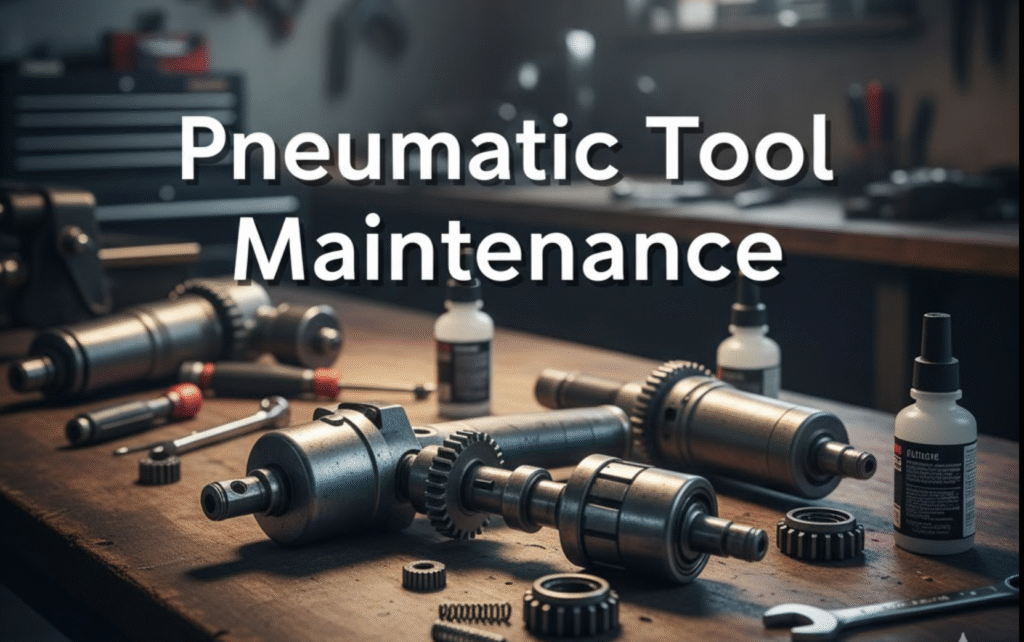
Pneumatic Tool Maintenance
As an Amazon Associate, we earn from qualifying purchases. When you purchase through our links, we may earn a small commission at no additional cost to you.
In the demanding world of industrial work, from automotive repair to heavy construction, pneumatic tools are the trusted workhorses that power through the toughest jobs. Their durability, power, and reliability make them indispensable. However, even the most robust air tools require regular maintenance to ensure they operate at peak performance and to prevent costly downtime. Neglecting proper care can lead to decreased efficiency, premature wear, and even safety hazards.
This comprehensive guide will walk you through everything you need to know about maintaining pneumatic tools. Whether you’re a seasoned professional or a dedicated DIY enthusiast, these expert tips and best practices will help you extend the lifespan of your tools, maximize their performance, and protect your investment.
Key Takeaways
•Daily lubrication is crucial: Proper lubrication is the single most important factor in extending the life of your pneumatic tools.
•Cleanliness prevents wear: Regularly cleaning your tools and air supply system prevents the buildup of dirt and debris that can cause damage.
•Moisture is the enemy: Water in your compressed air system is a leading cause of rust and corrosion. Regularly drain your air compressor tank and use a water separator.
•Follow a maintenance schedule: A consistent maintenance routine will ensure your tools are always in top condition.
•Safety first: Always disconnect the air supply before performing any maintenance or repairs.
The Importance of a Clean Air Supply
The performance and longevity of your pneumatic tools are directly linked to the quality of the compressed air that powers them. A clean, dry air supply is essential to prevent internal damage and ensure consistent operation. The three main enemies of a healthy pneumatic system are dirt, moisture, and oil.
Dealing with Dirt and Debris
Dirt and debris can enter your air system through the compressor’s intake or from the surrounding environment. These particles can act like sandpaper inside your tools, causing premature wear on internal components. To combat this, it’s essential to:
•Use a high-quality air filter: An air filter is your first line of defense against dirt and debris. It should be installed as close to the tool as possible to capture any contaminants before they enter the tool.
•Regularly inspect and replace filter elements: Over time, filter elements will become clogged and less effective. Follow the manufacturer’s recommendations for inspection and replacement.
The Dangers of Moisture
Moisture is another major threat to your pneumatic tools. When air is compressed, the water vapor in the air condenses into liquid water. This water can cause rust and corrosion inside your tools, wash away lubrication, and lead to inconsistent performance. To prevent moisture damage:
•Drain your air compressor tank daily: This is the simplest and most effective way to remove moisture from your system.
•Install a water separator: A water separator, also known as a coalescing filter, removes water droplets from the compressed air.
•Consider an aftercooler: For professional or high-usage applications, an aftercooler can significantly reduce the amount of moisture in your air supply.
The Role of Oil
While lubrication is essential for your tools, too much oil in the air supply can be detrimental. Excess oil can create a sticky residue that attracts dirt and debris, leading to clogs and malfunctions. It’s important to use the right type and amount of oil for your tools and to avoid over-lubricating.
Daily Pneumatic Tool Maintenance
A few minutes of daily maintenance can save you hours of downtime and costly repairs in the long run. Here are the essential daily tasks you should perform:
1.Lubricate Your Tools: Before each use, add a few drops of pneumatic tool oil directly into the air inlet. This will lubricate the motor and other internal components, reducing friction and wear.
2.Check for Air Leaks: Listen for any hissing sounds that may indicate an air leak. Leaks can reduce the tool’s performance and waste compressed air.
3.Inspect Hoses and Fittings: Check for any cracks, bulges, or other signs of damage on your air hoses. Ensure all fittings are tight and secure.
Weekly and Monthly Maintenance
In addition to daily checks, you should also perform weekly and monthly maintenance tasks to keep your tools in optimal condition.
Weekly Maintenance
•Clean the Tool’s Exterior: Wipe down the tool with a clean cloth to remove any dirt, grease, or grime.
•Inspect the Air Filter: Check the air filter for any signs of clogging or damage. Clean or replace the filter element as needed.
Monthly Maintenance
•Inspect Internal Components: If you’re comfortable doing so, disassemble the tool and inspect the internal components for any signs of wear or damage. Clean the components with a solvent and re-lubricate them before reassembling the tool.
•Check the Anvil or Chuck: For impact wrenches and drills, inspect the anvil or chuck for any signs of wear or damage. Replace any worn components to ensure proper operation.
Related: DIY Repairs for Common Air Tool Issues
Troubleshooting Common Pneumatic Tool Problems
Even with regular maintenance, you may occasionally encounter problems with your pneumatic tools. Here are some common issues and how to troubleshoot them:
| Problem | Possible Cause | Solution |
| Tool runs sluggishly or lacks power | Low air pressure, insufficient lubrication, clogged air filter | Check air pressure, lubricate the tool, clean or replace the air filter |
| Tool leaks air | Worn seals or O-rings, loose fittings | Replace seals or O-rings, tighten fittings |
| Tool jams or stalls | Dirt or debris in the motor, worn components | Clean the motor, inspect and replace worn components |
Frequently Asked Questions (FAQs)
1. What is the best type of oil to use for pneumatic tools?
It’s essential to use a high-quality oil specifically designed for pneumatic tools. These oils contain additives that prevent rust and corrosion and can withstand the high speeds and pressures of pneumatic motors. Avoid using motor oil or other types of lubricants, as they can damage your tools.
2. How often should I lubricate my pneumatic tools?
You should lubricate your tools before each use by adding a few drops of oil into the air inlet. For continuous use, it’s a good idea to use an in-line lubricator to provide a constant supply of oil.
3. How do I know if my air compressor is providing clean air?
Regularly draining your compressor tank and inspecting your air filter are the best ways to ensure your air supply is clean. If you notice a lot of water or debris when you drain the tank, it’s a sign that you may need to improve your air filtration system.
4. Can I use WD-40 to lubricate my pneumatic tools?
No, you should not use WD-40 to lubricate your pneumatic tools. WD-40 is a water-displacing solvent, not a lubricant. It can actually wash away the lubrication in your tools and cause damage.
5. What should I do if my pneumatic tool gets wet?
If your tool gets wet, disconnect it from the air supply immediately. Disassemble the tool, clean all the components with a solvent, and re-lubricate them before reassembling the tool. This will help prevent rust and corrosion.
Call to Action
Proper maintenance is key to getting the most out of your pneumatic tools. By following the tips in this guide, you can ensure your tools will provide you with years of reliable service. If you’re in the market for new pneumatic tools or need to replace any worn components, be sure to check out our extensive selection of high-quality air tools and accessories at Pneumatic Tools and Accesories

